Why Search Visibility Really Has Become a Quiet Advantage for E-commerce Brands


Things have changed a lot in the way people shop online. What was once a completely new and experimental thing is now basically just routine, a second nature. Before committing to buy something, shoppers go through a whole process: they compare options, read reviews, do some research, and then they look for reassurance that they’re making the right decision. In that environment, getting high up in search results is not just about getting loads of traffic – it’s about being seen as a trustworthy brand.
For e-commerce brands, search visibility acts as a pretty good trust signal. If a website keeps turning up at the top of the search results for research-driven searches, it looks like a well established business. It looks familiar, and that’s a good thing. That’s one reason why search engine optimisation has moved from being a technical thing to a key part of the long-term success strategy.
Unlike all those short-term marketing tactics that get lots of publicity but don’t really deliver, SEO works in the background, quietly helping people find stuff at the very start of the buying process, and then sticking around to help them make a decision.
The Structural Complexity of Doing SEO for E-commerce Sites
E-commerce websites are totally different to most other digital properties. They’ve got hundreds, or even thousands of URLs – product listings, category pages, filters, variations – and all these things make it much harder to get search engines to understand what’s going on.
And when it all gets a bit too complex, and the structure isn’t clear enough, even the biggest brands can struggle to get noticed. Pages compete with each other, crawl budgets get wasted, and important products just don’t turn up in the search results. This is why e-commerce SEO is so much harder than just slapping some keywords on a page and expecting to get ranked – it needs precision and planning, and a lot of people don’t understand just how much work is involved.
Search Intent and the Online Shopper
Not everyone who searches for something is looking to buy straight away. Some people are comparing options, others are just trying to learn more about what’s out there, and a lot of people are just trying to figure out what they want to do. A good e-commerce site does more than just focus on getting people to buy stuff. It also helps people who are searching for information or want to compare different products.
Buying guides, explanation of categories, and other contextual stuff all play a really important role in building trust. And that’s where the work of an e-commerce seo specialist really comes in – not in chasing after rankings, but in making sure that all the content on the site makes sense and is relevant to how people actually search for things.
The Technical Foundations of a Successful E-commerce Site
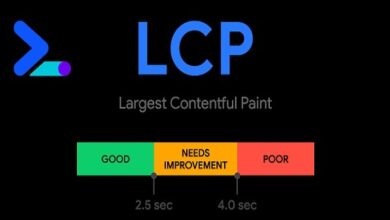
Behind every successful e-commerce site there’s a technical framework that people don’t even notice – but search engines do. Page speed, mobile usability, clean URL structures, internal linking, and index control all make a difference to how well a site performs.
And even small technical issues can add up and cause real problems across a big catalogue. For example, if you’ve got duplicate pages because of filters, or if your product images are taking too long to load, or if you’re not handling pagination properly, all that can quietly limit your growth without you even realising.
And getting all these technical foundations right not only helps with search engine rankings, but also improves usability and reduces friction for customers. It makes it easier for people to get from interested to purchased without any hassle.
Content Should be About Reassurance, Not Sales
E-commerce content is often misunderstood. People think it’s about persuading people to buy stuff, but that’s not what it’s really about. The main job of content is to reassure people that you’re the right company to buy from.
Clear product descriptions, thoughtful category explanations, and other supporting content all help to reduce uncertainty. They answer the questions that people are already asking, often before they even know they’re asking them. And when content is written in a clear and concise way, it builds trust rather than just trying to sell people something.
Search engines are also starting to reward this kind of approach. Pages that are genuinely helpful to users tend to do better in the long run than those that are written solely for SEO purposes.
SEO and How Brands Are Perceived
Appearing in search results is not just about visibility – it’s also about how you’re perceived by people. When you consistently appear in the search results, you look like a relevant and authoritative business, especially in competitive markets. And over time, this presence builds familiarity, and familiarity often comes before trust.
SEO also helps to reinforce other marketing channels. Paid campaigns perform better when people already know your brand, email and social campaigns convert better when the website looks trustworthy, and this interconnected effect is why a lot of organisations are starting to look at SEO as part of a broader approach to digital agency services australia, where strategy, content, and experience all work together.
The Enduring Value of Organic Growth
One of the best things about SEO is that it’s long-term. A well-structured page can keep delivering traffic for years after it was first published. While paid visibility disappears the moment you stop paying for it, organic performance just keeps on going.
For e-commerce businesses who are facing rising acquisition costs, this stability is a lifesaver. SEO doesn’t replace other channels – it balances them. It reduces your dependence on others, smooths out volatility, and creates a foundation for sustainable growth.
Why SEO is an Ongoing Thing
Search behaviour changes, platforms get updated, and competition gets fiercer. That’s why SEO is never really finished. It needs constant watching, adjusting and refining.
The most resilient e-commerce brands treat SEO as a long-term practice, not a one-off project. They keep updating their content, refining their structure, and adapting to user expectations without constantly chasing the latest trends. And this steady approach tends to outperform reactive strategies over time.
Closing Down
In today’s digital world, getting a good e-commerce business going is rarely just about getting lots of visibility. It’s about clarity, usability and trust – all the things that SEO quietly helps with.When given some serious thought, search optimisation starts to shift from being about chasing rankings and more about getting things in line : lining up your content with what people are actually looking for, your website structure with what can easily be scaled up, and how visible your brand is with the credibility that matters. For brands that are willing to put in the effort to get all that in alignment, SEO is still one of the most reliable ways to keep growing.
You can also read about: Potential of SEO Services for Western Australian