For decades, conventional Western medicine has been the undisputed cornerstone of global healthcare. From life-saving antibiotics to complex surgical procedures, its achievements are monumental. However, a growing cultural shift is underway. Increasingly, individuals are looking beyond the prescription pad and turning toward alternative therapies to manage pain, reduce stress, and achieve a deeper sense of overall well-being.
Rather than viewing health strictly through the lens of treating symptoms, alternative and complementary modalities invite us to look at the whole person—mind, body, and spirit.
Understanding the Spectrum: Alternative vs. Complementary
Before diving in, it is helpful to clarify a common point of confusion. While often used interchangeably, there is a technical distinction between “alternative” and “complementary” medicine:
- Complementary Medicine: Used alongside standard medical treatments. For example, using acupuncture to help tolerate the side effects of chemotherapy.
- Alternative Medicine: Used in place of conventional medicine.
Today, these practices are frequently grouped under the umbrella of Integrative Medicine, an approach that mindfully combines the best of both worlds, prioritizing safety and evidence-based results.
Popular Modalities and How They Work
The world of alternative therapies is incredibly diverse, stretching across ancient traditions and modern innovations. Here are some of the most widely utilized practices today:
1. Acupuncture and Traditional Chinese Medicine (TCM)
Originating thousands of years ago, acupuncture involves inserting ultra-thin needles into specific points on the body. According to TCM, this regulates the flow of Qi (vital energy) along pathways called meridians. From a Western physiological standpoint, research suggests that acupuncture stimulates the nervous system, releasing natural pain-relieving chemicals like endorphins and improving blood circulation. It is frequently sought after for chronic back pain, migraines, and anxiety.
2. Herbal Medicine and Phytotherapy
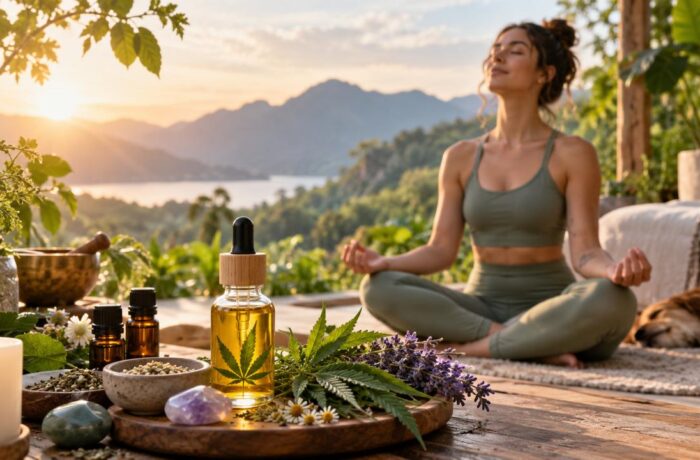
Long before pharmaceutical labs existed, plants were humanity’s primary pharmacy. Herbal medicine utilizes roots, leaves, seeds, and flowers to promote healing. Examples include using ginger for nausea, chamomile for sleep, or turmeric for inflammation. Because plant compounds can be incredibly potent, it is crucial to treat them with the same respect—and caution—as conventional medication.
3. Mind-Body Therapies: Meditation and Yoga
The connection between psychological state and physical health is profound. Mind-body practices like mindfulness meditation, yoga, and Tai Chi focus on conscious breathing and movement to down-regulate the body’s stress response. By lowering cortisol levels and slowing the heart rate, these therapies are highly effective tools for managing hypertension, insomnia, and psychological distress.
4. Body-Based Practices: Chiropractic Care and Massage
Chiropractic therapy focuses on the relationship between the structure of the body—primarily the spine—and its functioning. Through manual adjustments, chiropractors aim to correct alignment and support the body’s natural ability to heal itself. Similarly, therapeutic massage targets muscle tension, alleviates localized pain, and flushes out metabolic waste from tissues.
Why the Shift? The Appeal of Holistic Care
The rising popularity of these therapies isn’t just a trend; it reflects a desire for a more personalized healthcare experience.
Conventional medicine can sometimes feel clinical, rushed, and hyper-focused on isolated organs or symptoms. In contrast, alternative practitioners often spend significant time exploring a patient’s lifestyle, diet, emotional health, and sleep patterns. This holistic approach empowers individuals, transforming them from passive recipients of medical care into active participants in their own wellness journeys.
Furthermore, as chronic conditions like fibromyalgia, chronic fatigue, and autoimmune disorders rise—conditions that standard medicine sometimes struggles to fully resolve—patients naturally seek out alternative avenues for relief.
Navigating the Space Safely
While alternative therapies offer immense benefits, navigating this landscape requires a balanced, sensible approach. “Natural” does not automatically mean “safe.”
If you are considering integrating alternative therapies into your life, keep these guidelines in mind:
- Do Your Homework: Look for qualified, licensed, or certified practitioners in their respective fields.
- Keep Communication Open: Always inform your primary care physician about any alternative treatments or herbal supplements you are taking. Some herbs can interact dangerously with prescription medications.
- Maintain a Balanced Perspective: Alternative therapies excel at managing chronic pain, stress, and lifestyle-related ailments. However, for acute emergencies, severe infections, or trauma, conventional medicine remains irreplaceable.
Final Thoughts
The evolving conversation around healthcare is no longer about choosing one system over another. Instead, it is about creating a collaborative ecosystem. By pairing the diagnostic brilliance and acute care of conventional medicine with the preventative, nurturing, and holistic nature of alternative therapies, we can pave the way toward a truly comprehensive path to health.
You can also read about: Improving Indoor Air Quality through Thorough Residential Cleaning Solutions