In today’s fast-paced world, many people are looking beyond conventional medical treatments to support their overall health and well-being. This growing interest has led to increased awareness of alternative therapies, which include a wide range of natural and holistic approaches designed to promote physical, mental, and emotional wellness. When used appropriately, these therapies may complement a healthy lifestyle and, in some cases, conventional medical care.
What Are Alternative Therapies?
Alternative therapies generally refer to health practices that are used instead of, or alongside, conventional medical treatments. They can include approaches such as herbal remedies, acupuncture, massage therapy, meditation, yoga, aromatherapy, and other mind-body practices.
The goal of many alternative therapies is not simply to address a particular symptom but to encourage a broader approach to wellness. Practitioners may consider factors such as lifestyle, nutrition, stress, sleep, and emotional well-being when developing a wellness plan.
It is important to remember that not every alternative therapy has been proven effective for every condition. People should research treatments carefully and discuss them with a qualified healthcare professional, particularly when managing a medical condition or taking prescription medication.
Popular Types of Alternative Therapies
There are many different forms of alternative therapies, each with its own methods and potential benefits.
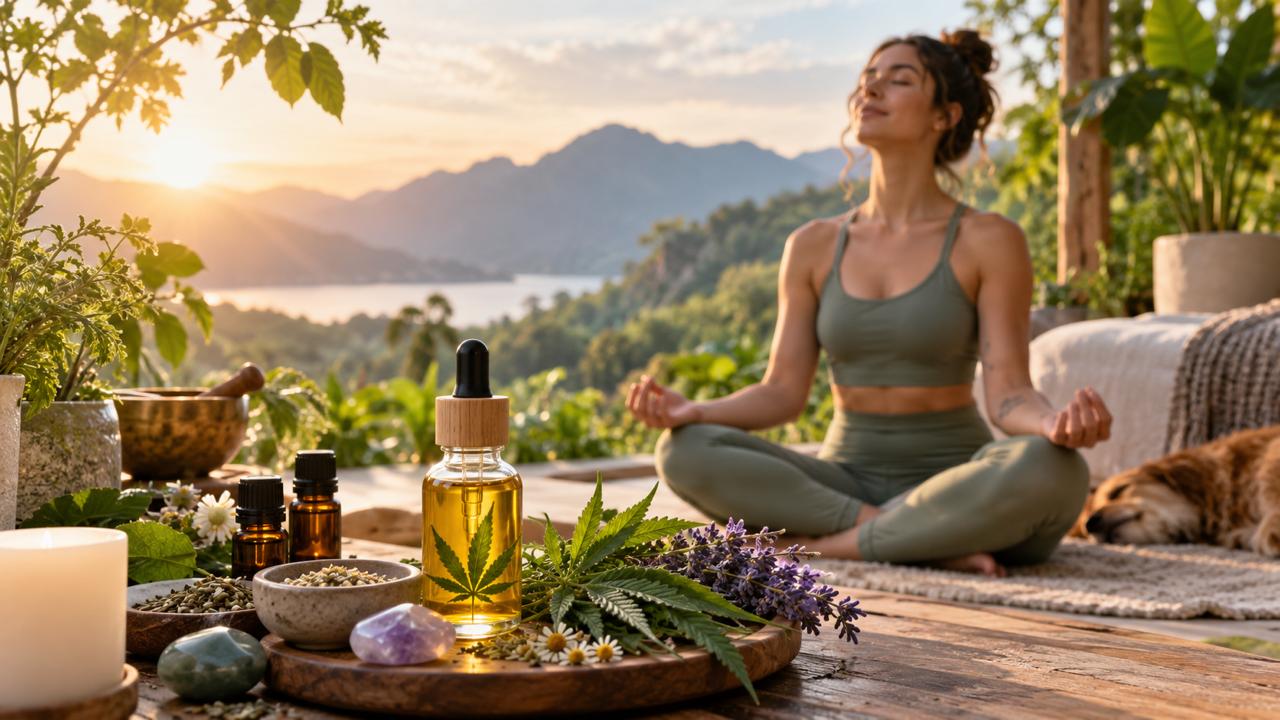
Herbal Therapy: Herbal products use plants or plant extracts as part of a wellness routine. Herbs have been used in traditional health practices for centuries. However, natural does not always mean risk-free, and some herbs can interact with medications.
Acupuncture: Acupuncture is a traditional practice involving the placement of very thin needles at specific points on the body. Some people use it as part of their approach to managing discomfort, relaxation, and general well-being.
Massage Therapy: Massage involves manipulating soft tissues of the body and is commonly used to promote relaxation, reduce muscle tension, and support a sense of physical comfort.
Meditation and Mindfulness: These practices focus on attention, breathing, and awareness. Regular mindfulness practices may help people manage everyday stress and develop healthier relaxation habits.
Yoga: Yoga combines physical postures, breathing techniques, and mindfulness. Depending on the style and individual needs, it can support flexibility, movement, relaxation, and overall wellness.
Aromatherapy: Aromatherapy uses essential oils and aromatic plant compounds. It is often incorporated into relaxation routines through diffusers, massage oils, or other methods. Essential oils should always be used according to appropriate safety guidance.
Potential Benefits of Alternative Therapies
One reason alternative therapies have become popular is their focus on whole-person wellness. Instead of concentrating exclusively on a single symptom, some approaches encourage people to pay attention to lifestyle factors that influence their well-being.
For example, meditation may become part of a stress-management routine, while yoga can encourage regular movement. Massage may provide relaxation after physically demanding activities, and certain traditional herbal practices may be incorporated into a broader wellness routine.
The benefits can vary considerably from person to person. What works well for one individual may not be appropriate for another, which is why informed decision-making is important.
Alternative Therapies and Holistic Wellness
Holistic wellness considers different aspects of health, including physical activity, nutrition, sleep, emotional balance, and stress management. Alternative therapies can sometimes be incorporated into this broader lifestyle approach.
Brands such as Mediflora can be part of the growing conversation around natural and holistic wellness by helping people explore products and approaches associated with plant-based and traditional health practices. Consumers should always review product information, follow recommended usage instructions, and seek professional guidance when necessary.
Choosing Alternative Therapies Safely
Before starting any alternative therapy, it is important to understand what the treatment involves and whether there is reliable evidence supporting its use. Look for qualified practitioners and reputable sources of information.
People who are pregnant, have an existing medical condition, are preparing for surgery, or take prescription medications should speak with a healthcare professional before using certain herbs, supplements, or other therapies. Alternative approaches should not be used to delay necessary medical diagnosis or treatment.
Conclusion
Alternative therapies offer a variety of approaches for people interested in expanding their wellness routines beyond conventional healthcare. From yoga and meditation to massage, acupuncture, and herbal practices, these approaches can encourage greater attention to relaxation, lifestyle, and whole-person well-being.
However, alternative therapies should be approached thoughtfully. Understanding potential benefits, limitations, and safety considerations is essential. By combining informed choices, healthy lifestyle habits, and professional medical guidance when needed, individuals can create a balanced approach to supporting their overall wellness.
You can also read about: Lab Grown Diamonds NZ: A Modern Choice for Timeless Engagement Rings