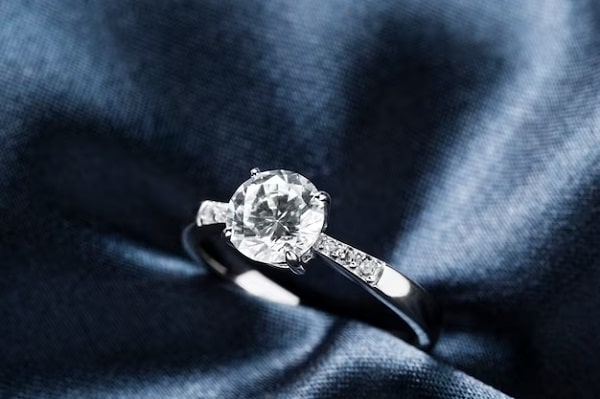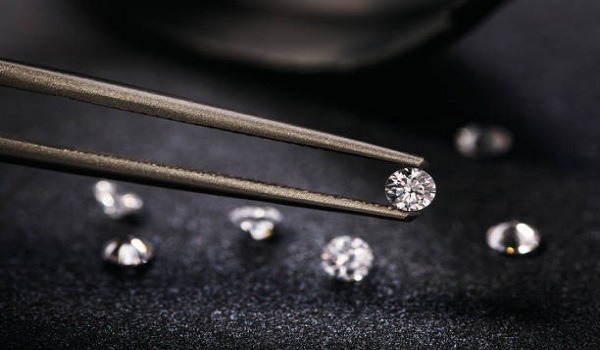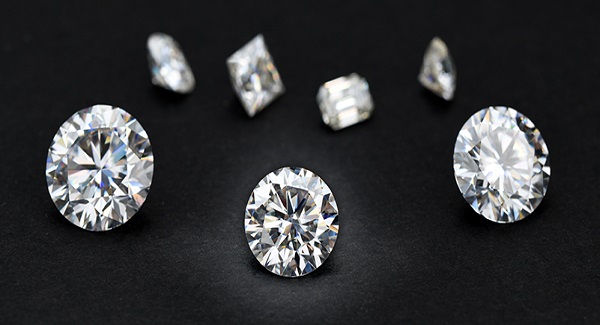
Lab diamonds Brisbane offers the exact optical and chemical traits of a mined stone while costing a fraction of the price. You get identical hardness, sparkling, and fire without paying the steep markup created by traditional earth-mining supply chains.
How Lab Diamonds Match Natural Stones
A lab diamond is real carbon crystal grown under controlled heat and pressure rather than mined from the ground. The Federal Trade Commission jewelry guidelines recognize lab-created stones as diamonds because their chemical makeup matches earth-mined gems.
You can’t spot the difference between the two with your eyes alone. Both rank at a top score of 10 on the Mohs hardness scale, which means your pendant won’t cloud, scuff, or lose its shine during normal daily wear. Specialized laboratory sensors are the only tools that can identify the subtle growth patterns unique to lab creation.
How to Choose the Right Setting and Chain
The pendant style shapes how much light enters the stone and how securely the chain holds it. Solitaire pendants remain the most popular choice, but each mount handles daily activity differently.
|
Bezel settings wrap a thin metal rim around the diamond’s edge. This design shields the stone from accidental bumps, though it hides slightly more surface area than an open mount. If you want the brightest possible reflection, pick a prong mount that sits open to ambient room lighting.
Tip: Match your pendant weight to the chain thickness; delicate chains snap easily if paired with heavy stones over one carat.
Which Mistakes Ruin Your Purchase?
Buying Without a Grading Certificate
Never buy an uncertified stone. Independent gem labs evaluate cut precision, color purity, and clarity flaws so you know what you’re paying for. If a seller refuses to provide a digital grading report from a recognized lab, walk away and shop elsewhere.
Picking Chain Metals That Wear Down Quickly
Don’t skimp on the chain metal to save cash on the total order. Hollow chains and thin silver-plating bend out of shape or tarnish after a few months of sweat exposure. Choose solid 14k gold or platinum for daily wear, because both resist corrosion and hold delicate clasp mechanisms securely over time.
Ignoring the Length of the Chain
A pendant that sits too high can feel tight, while one that hangs too low often catches on shirt buttons and bags. Standard lengths range from 16 to 18 inches for resting comfortably along the collarbone. Measure your neck with a piece of string before ordering so the pendant settles where you want it.
When Should You Avoid a Lab Diamond?
A lab-grown stone makes sense for everyday wear, but it’s not the right match for someone seeking a financial investment. Lab gems don’t hold resale value on the secondary market because manufacturing facilities expand their output each year, which steadily lowers production costs. If your main goal is long-term wealth preservation, buy natural untreated stones instead.
Your decision rule is straightforward: if you want maximum visual sparkle for your spending money, pick a lab stone; if you care primarily about estate resale potential, stick with a certified mined diamond.
Frequently Asked Questions
Will a lab diamond get cloudy over time?
No, a lab diamond will never turn cloudy, hazy, or yellow on its own. Because it’s pure crystalline carbon, its crystal structure remains permanently stable unless it is coated with lotions, body oils, or household soap residue.
Can a local jeweler tell it was grown in a lab?
No, standard handheld diamond testers and basic jeweling loupes can’t tell the difference between lab and mined stones. Jeweled identification requires dedicated spectroscopy machines that read trace nitrogen signatures inside the crystal lattice.
Is a lab diamond durable enough for daily showers?
Yes, water and shampoo won’t harm the stone itself. However, body washes leave a greasy film behind the setting that blocks light, so regular rinsing keeps the stone shining brightest.
Check the certificate number against the grading agency’s online registry before finalizing your order. Bring the pendant to an independent bench jeweler once every year to verify that the prongs remain tight around your stone.
Conclusion
Choosing this lab diamond necklace isn’t just a smart financial move; it’s a beautiful way to embrace modern innovation. You’ll love how it catches the light every time you wear it. Why not visit a local jeweler this weekend to see these brilliant stones in person? You’re going to find the perfect piece.